
When buying or selling real estate, many people assume that title insurance protects against every possible issue related to a property. While title insurance is a critical part of a real estate transaction, it’s important to understand its limitations—especially when it comes to building permits, code enforcement cases, and violations
Title insurance does not cover governmental or regulatory compliance issues unless those violations have already turned into a recorded lien.
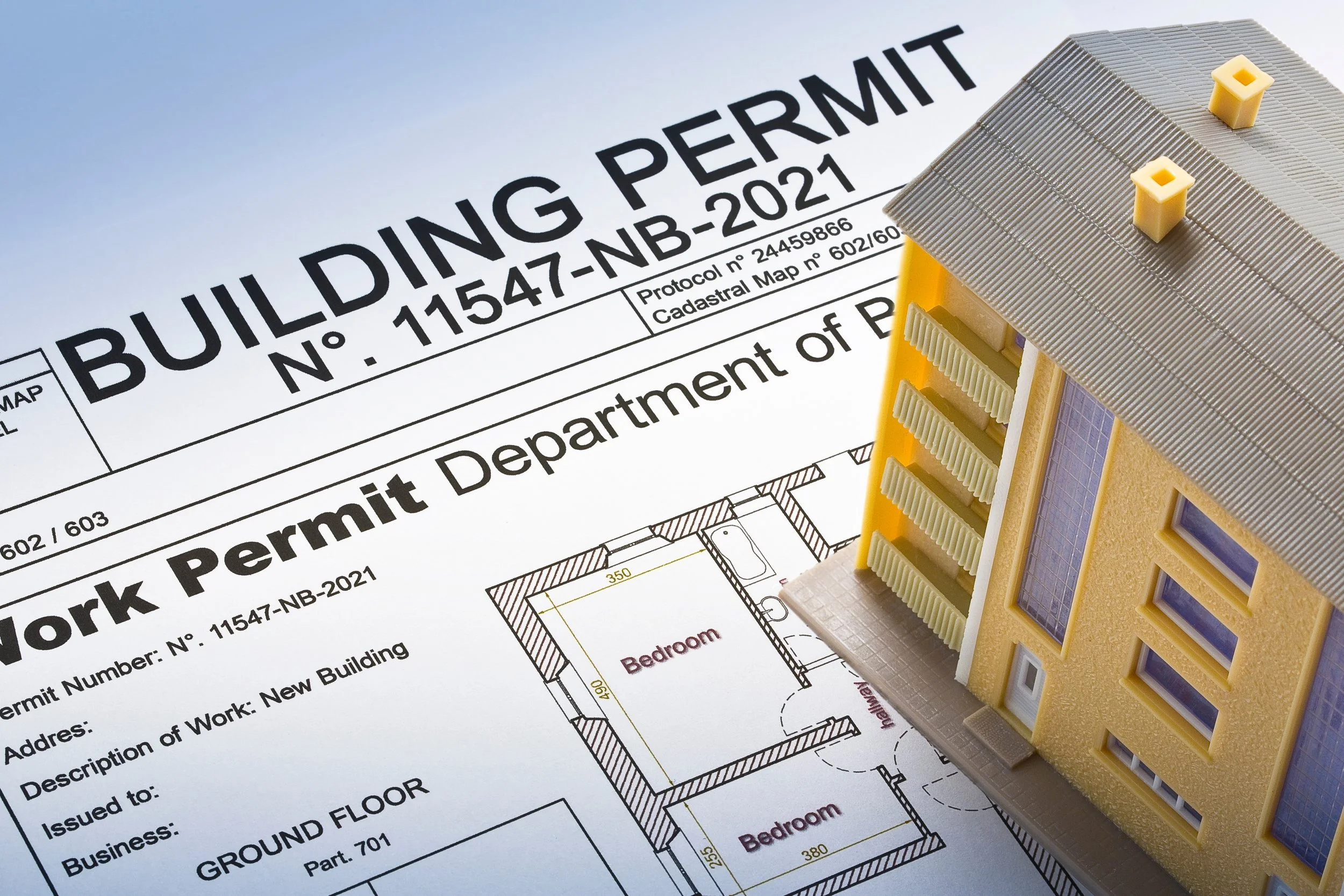
Building Permits Are Not Covered
Open, expired, or pending building permits are not insured by title insurance. Even if a permit was issued before closing—or work was completed years ago—any unresolved permit becomes the responsibility of the property owner, not the title insurer.
This includes:
· Unclosed building permits
· Expired permits
· Work completed without final inspections
Code Enforcement Cases and Violations
Title insurance also does not cover open or pending code enforcement cases, including:
· Zoning violations
· Unpermitted structures (sheds, terraces, additions, conversions)
· Unsafe structure violations
Unless a code enforcement lien has already been recorded in the public records, these issues typically will not appear in a standard title search.
Why This Is Especially Important for Buyers
In Florida, code violations often follow the property, not the owner. This means:
· A buyer can inherit an open violation after closing
· Fines may accrue daily
· The municipality may require corrective work or permit legalization
Once the transaction closes, the buyer assumes responsibility—even if the violation existed long before the purchase.
Examples
A homeowner purchased a property where the garage had been converted into an efficiency apartment. While this seemed like a great idea to generate rental income and help pay the mortgage, the conversion was completed without the required building permits. Years later, the county discovered the unpermitted work, issued a violation, and significant fines accrued as a result.
A homeowner purchased a townhouse and noticed that a neighboring unit had a terrace built on the rooftop patio. After requesting the contractor’s information from the neighbor, the homeowner built a similar terrace without obtaining the required permits. When the property was later sold, a building inspector visiting a neighboring unit noticed the unpermitted structure shortly after closing, resulting in a violation for the new owner.
What the Contract States
The current owner is required to disclose any work performed without the proper permits.
The purchaser is responsible for conducting their due diligence to verify that all existing structures and improvements are properly permitted and comply with applicable building codes.
How to Protect Yourself
Because title insurance does not cover these issues, buyers and sellers should consider:
· Municipal lien searches
· Building permit searches
· Code compliance or zoning letters
· Pre-closing due diligence inspections
These searches help identify issues before closing, when they can still be resolved or negotiated.
Important Notice:
A municipal lien search obtained by the title company may not reveal all issues that could exist on a property, as some items may not yet have been discovered.
If you walk into a property that has 4 bedrooms and 3 bathrooms, but the municipality records show 3 bedrooms and 2 bathrooms, this may indicate that work was done without proper permits.
Similarly, if you notice new impact windows and doors, or additions such as fences, terraces, pools, or sheds, it’s important to verify that the appropriate permits were obtained.
Why Escrowing Funds May Not Be a Good Solution
Closing a transaction with funds held in escrow to resolve code violations or unpermitted structures may not always be advisable. In some cases, the structure may not be eligible for permitting due to zoning restrictions, setback requirements, or other code issues, making legalization impossible. Additionally, the escrowed funds may be insufficient to cover the full cost of correcting the violations, including fines, design changes, demolition, or required upgrades. In these situations, the buyer may still be left responsible for unresolved violations and additional expenses after closing.
The Bottom Line
Title insurance is essential—but it is not all-inclusive.
It protects ownership rights, not building compliance.
Open permits, code cases, and violations not accompanied by a recorded notice of violation are not covered by title insurance and should always be addressed before closing.
For peace of mind, buyers, sellers, and real estate professionals should consult with local municipalities to ensure there are no unresolved compliance issues tied to the property.